
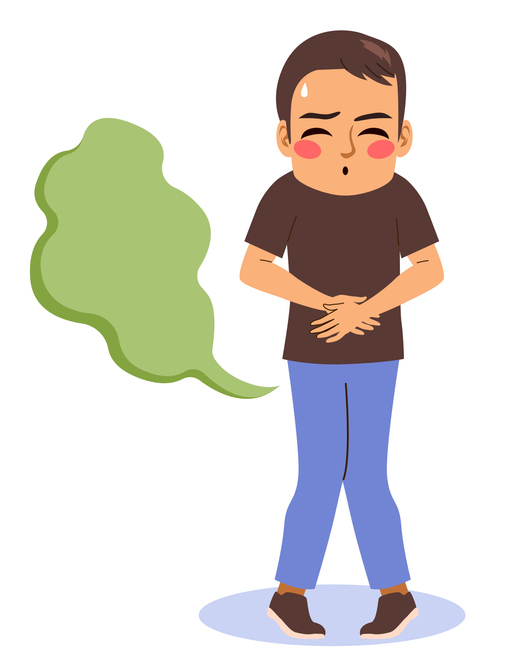
Does Your NOISY Gut Keep You From Socializing? The Hidden Reasons Your Stomach Won’t Stay Quiet (and What It May Be Trying to Tell You)
“Please Don’t Growl…”
You’re sitting in a quiet meeting.
At church.
On a first date.
In a classroom.
At a movie.
And suddenly…
GRRRRROOOOWWWLLLLL.
Your stomach erupts loud enough for everyone nearby to hear.
You laugh it off.
Pretend it doesn’t bother you.
Make a joke about being hungry.
But inside?
You’re mortified.
For some people, noisy digestion becomes more than an inconvenience.
It becomes something they organize their lives around.
They stop going to restaurants.
They avoid long car rides.
They sit near exits.
They skip social events.
They turn down invitations.
They develop anxiety around eating.
They become prisoners of a gut they no longer trust.
If this sounds familiar, I want you to know something:
You’re not alone.
And contrary to what you’ve been told, your noisy gut isn’t simply being “dramatic.”
It’s communicating.
The question is:
What is it trying to say? Ask the GI Map with Zonulin!
Your Gut Does More Than Digest Food
As a Family Nurse Practitioner, I’ve cared for countless people who quietly suffer with symptoms they rarely talk about.
Not because they aren’t significant.
But because they’re embarrassing.
Nobody wants to admit:
- “My stomach sounds like a washing machine.”
- “I pass gas constantly.”
- “I avoid social events because I don’t know where the nearest bathroom is.”
- “I panic every time I eat before leaving the house.”
Yet these experiences are incredibly common.
Your digestive tract influences:
- Nutrient absorption
- Immune regulation
- Hormone balance
- Mood
- Inflammation
- Neurotransmitter production
- Stress resilience
- Energy production
When the gut struggles, the effects often extend far beyond the bathroom.
Why Does My Stomach Make So Much Noise?
Stomach noises—known medically as borborygmi—are often harmless.
But persistent or excessive noises may reflect underlying imbalances.
Possible contributors include:
1. Food Moving Through the Digestive Tract
Sometimes your intestines are simply doing their job.
Other times, increased movement may signal irritation or inflammation.
2. Swallowed Air
Eating quickly, chewing gum, carbonated beverages, and anxiety can increase air intake.
3. Food Sensitivities
Some people notice increased noises after consuming foods that don’t agree with them.
Common triggers include:
- Dairy
- Gluten
- Artificial sweeteners
- Highly processed foods
- Sugar alcohols
4. Dysbiosis
Imbalances within the microbiome can increase gas production and digestive discomfort.
5. Small Intestinal Bacterial Overgrowth (SIBO)
Excess fermentation within the small intestine can contribute to bloating, gas, and noisy digestion.
6. Candida and Yeast Overgrowth
Alterations in fungal balance may influence digestive symptoms in susceptible individuals.
7. Parasites
Although less common, parasitic infections may contribute to changes in bowel habits and abdominal noises.
8. Stress and Anxiety
The brain and gut are constantly communicating.
Stress can dramatically alter digestive function.
The Gut-Brain Connection Is Real
Have you ever noticed that your stomach becomes more active before a stressful event?
There’s a reason.
The gut and brain communicate through an intricate network involving:
- The vagus nerve
- Hormones
- Immune messengers
- Neurotransmitters
- The microbiome itself
When stress increases, digestion changes.
When digestion changes, stress often increases.
A noisy gut can create anxiety.
Anxiety can worsen gut symptoms.
And suddenly, you’re trapped in a cycle that’s difficult to escape.
When Digestive Symptoms Begin to Shrink Your World
The emotional toll of chronic digestive symptoms is often underestimated.
People tell me:
“I don’t eat before meetings.”
“I stopped going to church.”
“I always sit near the bathroom.”
“I don’t date anymore.”
“I miss out on family gatherings.”
Over time, embarrassment can evolve into isolation.
And isolation affects emotional health.
If your gut symptoms are keeping you from fully participating in your life, they deserve attention.
Not dismissal.
Looking Deeper: Could Testing Help?
Sometimes the answer isn’t another elimination diet.
Sometimes it isn’t another probiotic.
Sometimes it starts with asking better questions.
Comprehensive stool testing may help identify:
- H. pylori
- Opportunistic bacteria
- Candida and fungal organisms
- Parasites
- Beneficial bacteria
- Inflammation
- Digestive markers
- Immune activity
- Intestinal barrier function
Testing doesn’t provide every answer.
But it may provide important clues.
You Deserve to Feel Comfortable in Your Own Body
Imagine attending dinner with friends without fear.
Going to church without anxiety.
Taking a road trip without mapping every restroom.
Eating a meal without wondering how your body will react.
That isn’t asking too much.
It’s reclaiming your life.
Your symptoms are not a character flaw.
They’re information.
And information can be empowering.
Because sometimes the path back to confidence begins with understanding what your gut has been trying to tell you all along.
Need Help Understanding Your Results? You’re Not Alone.
One of the questions I hear most often is:
“What if I order the test and don’t know what to do with the information?”
That’s a valid concern.
Laboratory data is only one piece of the puzzle.
Understanding how those findings relate to your symptoms, your health history, your goals, and your unique story is where education becomes invaluable.
As a Family Nurse Practitioner with nearly three decades of nursing experience and more than twenty years as an NP, I understand how overwhelming health information can feel.
My passion has always been helping people make sense of complex information in a way that feels practical, empowering, and hopeful.
If you’d like additional support, you have the option to schedule a 45-minute Tele-Health Health & Wellness Education Consultation through MyLabsForLife.
During this educational consultation, we can discuss:
- Your current symptoms and health concerns
- Questions you have about your laboratory findings
- How various body systems may influence one another
- Functional and lifestyle considerations that may support your wellness goals
- Educational resources to help you better understand your results
- Potential topics to discuss with your healthcare provider
These consultations are designed to help you become a more informed and empowered participant in your own health journey.
Because sometimes what people need most isn’t another prescription.
Sometimes they simply need someone to listen.
Someone to connect the dots.
Someone to explain the information in plain English.
Someone to help them understand the next questions worth asking.
Schedule Your Tele-Health Health & Wellness Education Consultation
If you’d like personalized education and guidance as you navigate your results, learn more. Click Here:
Because understanding your body shouldn’t feel confusing.
It should feel empowering.
Why I Believe Information Is Powerful
After nearly three decades in nursing and more than twenty years as a Family Nurse Practitioner, I’ve learned something important:
People know when something isn’t right.
They may not know exactly what it is.
They may struggle to put it into words.
But they know.
Too often, individuals are dismissed because their symptoms don’t fit neatly into a diagnostic box.
They’re told to:
- Lose weight.
- Reduce stress.
- Exercise more.
- Get better sleep.
- Stop worrying.
And while those recommendations certainly matter, they don’t answer the deeper questions:
Why?
Why did the symptoms begin?
Why are they getting worse?
Why is your stomach suddenly so noisy?
Why are foods triggering reactions they never used to trigger?
Why do you feel exhausted despite doing everything “right”?
Why are you avoiding dinners, church, travel, meetings, and family gatherings because you don’t trust your gut?
Sometimes the answers are straightforward.
Sometimes they’re not.
But in my experience, curiosity is one of the greatest gifts we can offer ourselves.
Instead of silencing symptoms, we can learn from them.
Instead of assuming everything is fine because routine labs are normal, we can look deeper.
Instead of guessing, we can gather information.
Because knowledge doesn’t create fear.
Knowledge creates options.
And options create hope.
The Bottom Line: You Deserve Answers and a Life Not Dictated by Your Symptoms
If you’ve been struggling with noisy digestion, bloating, fatigue, brain fog, food sensitivities, skin issues, anxiety, digestive symptoms, or simply the nagging feeling that something in your body isn’t functioning the way it should, please know this:
You deserve to be heard.
You deserve to ask questions.
You deserve to understand your body.
You deserve to enjoy dinner with friends without fear.
To sit through a meeting without worrying about your stomach.
To travel without mapping every restroom.
To say “yes” to life again.
The GI-MAP + Zonulin isn’t a magic wand.
It won’t solve every mystery.
But it may uncover important clues that help explain why you haven’t been feeling like yourself—and provide a roadmap for more personalized conversations about your health.
You don’t have to keep guessing.
You don’t have to continue wondering if it’s “all in your head.”
Sometimes healing begins with information.
And sometimes, the answers you’ve been searching for start in the gut.
Ready to Take the Next Step?
If you’re ready to stop guessing and gain a deeper understanding of your gut health, learn more about the GI-MAP + Zonulin test Click Here:
Because the better you understand your body, the better equipped you are to advocate for your health—and reclaim the parts of life your symptoms may have stolen.
References
Cryan JF, O’Riordan KJ, Cowan CSM, et al. The Microbiota-Gut-Brain Axis. Physiological Reviews. 2019.
Fasano A. Zonulin and its regulation of intestinal barrier function. Physiological Reviews. 2011.
Mayer EA. The Gut-Immune-Brain Axis. Nature Reviews Gastroenterology & Hepatology. 2022.
Valdes AM, Walter J, Segal E, Spector TD. Role of the gut microbiota in nutrition and health. BMJ. 2018.
Carabotti M, Scirocco A, Maselli MA, Severi C. The gut-brain axis: interactions between enteric microbiota and the nervous system. Annals of Gastroenterology. 2015.
Foster JA, McVey Neufeld KA. Gut-brain axis: how the microbiome influences anxiety and depression. Trends in Neurosciences. 2013.
Valles-Colomer M, Falony G, Darzi Y, et al. The neuroactive potential of the human gut microbiota. Nature Microbiology. 2019.
Rinninella E, Raoul P, Cintoni M, et al. What is the Healthy Gut Microbiota Composition? Microorganisms. 2019.
Sherwin E, Rea K, Dinan TG, Cryan JF. A gut feeling about the brain. Neuron. 2018.