
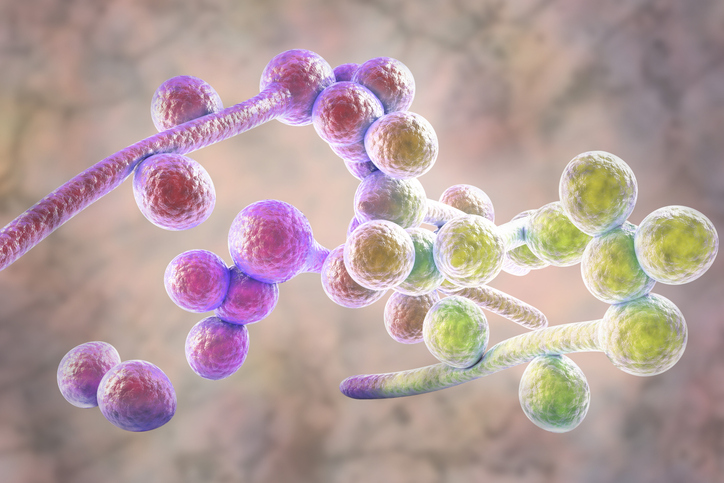
How New Fungal Metabolite Markers on the Organic Acids Profile Impact Gut-Brain Health
Understanding the New Fungal Metabolite Markers on the Organic Acids Profile
By Dette Avalon, MSN, APRN, FNP-BC
Team HealthyGutHealthyBrain
“Symptoms are your body’s way of asking for help. Laboratory testing doesn’t replace your story—it helps us better understand it.”
Patients frequently ask me whether laboratory testing can explain symptoms like persistent brain fog, fatigue, digestive discomfort, or the feeling that “something just isn’t right.”
While no laboratory test can diagnose every underlying cause of chronic illness, the Diagnostic Solutions Organic Acids Profile (OAp) provides valuable insights into metabolic function, nutritional status, mitochondrial health, microbial activity, and the complex relationship between the gut and the brain.
One of the newest additions to the Organic Acids Profile is a panel of fungal metabolite markers. These markers offer additional clues about microbial activity within the gastrointestinal tract and may help practitioners better understand patterns associated with dysbiosis, inflammation, nutrient depletion, and neurological symptoms.
Like every marker on the Organic Acids Profile, these results should never be interpreted in isolation. Instead, they become meaningful when viewed alongside your symptoms, health history, dietary habits, and other laboratory findings.
Why the Gut-Brain Axis Matters
The gut and brain are in constant communication through an intricate network known as the gut-brain axis. This communication occurs through several pathways, including:
- The vagus nerve
- Immune signaling
- Neurotransmitter production
- Microbial metabolites
- Hormonal regulation
- Mitochondrial energy production
When the gut microbiome becomes imbalanced, the effects can extend far beyond digestion. Many individuals experience fatigue, cognitive changes, mood disturbances, headaches, inflammation, sleep disruption, or difficulty concentrating.
Functional laboratory testing helps identify patterns that may contribute to these symptoms and provides valuable information for developing a personalized wellness plan.
What Is the Organic Acids Profile?
The Organic Acids Profile (OAp) is a comprehensive urine-based metabolomic assessment developed by Diagnostic Solutions Laboratory.
Unlike traditional laboratory testing that often identifies disease after significant dysfunction has occurred, organic acid testing evaluates biochemical pathways that may become altered much earlier.
The OAp evaluates:
- Mitochondrial energy production
- B-vitamin status
- Neurotransmitter metabolism
- Oxidative stress
- Detoxification pathways
- Fatty acid metabolism
- Oxalate metabolism
- Gut microbial metabolites
- New fungal metabolite markers
Taken together, these results provide a broader picture of how metabolism and the microbiome interact to influence overall health.
What Are Fungal Metabolites?
Fungi naturally exist as part of a healthy intestinal microbiome. Problems arise when the balance between bacteria and fungi shifts due to factors such as:
- Antibiotic use
- High-sugar diets
- Chronic stress
- Immune dysregulation
- Certain medications
- Environmental exposures
Rather than detecting fungi directly, the Organic Acids Profile measures metabolic byproducts associated with microbial activity.
These metabolites can provide supportive evidence that encourages a practitioner to investigate gut health more thoroughly.
Importantly, elevated fungal metabolites do not diagnose Candida overgrowth, mold illness, or invasive fungal infections.
Instead, they provide one additional piece of the clinical puzzle.
The Four New Fungal Metabolite Markers
Arabinitol
Arabinitol is the most extensively studied fungal metabolite on the Organic Acids Profile.
It has been associated with several yeast species, particularly Candida, and may become elevated when yeast populations increase within the gastrointestinal tract.
When elevated alongside digestive symptoms, recurrent yeast infections, antibiotic exposure, or persistent brain fog, arabinitol may support further evaluation of microbial balance.
However, one elevated marker alone should never be interpreted as proof of Candida overgrowth.
Citramalic Acid
Citramalic acid has been associated with microbial activity, including certain fungal organisms such as Aspergillus species.
Research in this area continues to evolve, and interpretation should remain cautious.
When elevated alongside other microbial markers and clinical symptoms, citramalic acid may suggest alterations in the intestinal microbiome deserving additional investigation.
Tricarballylic Acid
Tricarballylic acid has been linked to certain fungal species including Fusarium.
This metabolite has generated interest because of its potential interaction with magnesium metabolism.
Since magnesium plays an important role in mitochondrial function, nervous system regulation, and muscle health, this marker may provide another clue when evaluated alongside nutritional and metabolic findings.
Tartaric Acid
Tartaric acid presents one of the greatest interpretation challenges because it may originate from both microbial metabolism and dietary sources, including grapes, wine, and certain fruits.
For this reason, dietary history becomes especially important when evaluating elevated levels.
Context always matters.
Why Patterns Matter More Than Individual Markers
One of the greatest strengths of functional laboratory medicine is recognizing patterns rather than focusing on isolated laboratory values.
For example, consider a patient who demonstrates:
- Elevated fungal metabolites
- Increased oxidative stress markers
- Impaired mitochondrial function
- Low B-vitamin markers
- Significant fatigue
- Brain fog
- Recent antibiotic use
Viewed together, these findings suggest a much more meaningful clinical picture than any individual laboratory value alone.
The goal is not simply to “treat a number.”
The goal is to understand why those patterns developed in the first place.
When Additional Testing May Be Helpful
If fungal metabolites align with symptoms and clinical history, your healthcare provider may recommend additional evaluation such as:
- Comprehensive stool testing
- Mycotoxin testing
- Nutritional assessment
- Food sensitivity evaluation
- Environmental exposure assessment
Each test answers a different clinical question.
The Organic Acids Profile evaluates how your metabolism responds.
Other tests may identify specific organisms, toxins, or digestive abnormalities.
Together, they often provide a more complete understanding of health.
Organic Acids Profile vs. Mycotoxin Testing
These tests are complementary—not interchangeable.
Organic Acids Profile
- Evaluates metabolic pathways
- Measures microbial metabolites
- Assesses mitochondrial health
- Reviews nutritional function
- Identifies oxidative stress
Mycotoxin Testing
- Detects specific fungal toxins
- Evaluates environmental mold exposure
- Helps assess ongoing toxin burden
Used together when clinically appropriate, they provide a broader understanding of how environmental and microbial factors may influence health.
Frequently Asked Questions
Does an elevated arabinitol level mean I have Candida?
No.
Arabinitol is one supportive marker. Diagnosis requires consideration of symptoms, history, physical examination, and other laboratory findings.
Can fungal metabolites cause brain fog?
Research suggests microbial metabolites may influence inflammation, mitochondrial function, neurotransmitter activity, and the gut-brain axis. However, these markers should always be interpreted within the larger clinical picture.
Should I start antifungal supplements if these markers are elevated?
Not necessarily.
Treatment decisions should never be based on a single laboratory result.
Does the Organic Acids Profile diagnose mold illness?
No.
The Organic Acids Profile identifies metabolic patterns that may suggest further investigation but does not diagnose mold-related illness.
Looking Beyond the Numbers
The addition of fungal metabolite markers to the Diagnostic Solutions Organic Acids Profile represents another step toward understanding the complex relationship between metabolism, the microbiome, and brain health.
These markers provide valuable clinical clues—not definitive answers.
When interpreted thoughtfully alongside symptoms, medical history, dietary habits, and additional laboratory findings, they can help practitioners develop more personalized, root-cause strategies for improving health.
At HealthyGutHealthyBrain, we believe the best care begins with listening—to both the patient and the remarkable biochemical story their body is telling.
Learn More
Interested in learning whether the Organic Acids Profile is right for you?
Visit our Organic Acids Testing page to explore the test, understand what it measures, and discover how functional laboratory testing may help uncover patterns contributing to chronic digestive symptoms, fatigue, brain fog, and metabolic dysfunction.
About the Author
Dette Avalon, MSN, APRN, FNP-BC, is a Family Nurse Practitioner with nearly three decades of nursing experience and more than twenty years as a Nurse Practitioner. She specializes in functional and integrative medicine, helping individuals identify root causes of chronic digestive, neurological, immune, and inflammatory conditions through evidence-based laboratory testing and personalized care.
References
- Diagnostic Solutions Laboratory. Organic Acids Profile Clinical Guide.
- Diagnostic Solutions Laboratory. Organic Acids Profile Sample Report.
- Diagnostic Solutions Laboratory. Organic Acids Profile Provider Interpretation Guide.
- Nicholson JK, et al. Metabonomics and systems biology. Nature Reviews Drug Discovery.
- Wishart DS. Emerging applications of metabolomics in clinical medicine. Clinical Chemistry.
- Cryan JF, et al. The microbiota-gut-brain axis. Physiological Reviews.
- Mayer EA, et al. Gut microbiota and brain health. Nature Reviews Gastroenterology & Hepatology.
- Sharon G, et al. The central nervous system and the gut microbiome. Cell.
- Rooks MG, Garrett WS. Gut microbiota and host metabolism. Nature Reviews Immunology.
- Turnbaugh PJ, et al. The human microbiome project. Nature.
- Integrative reviews on fungal dysbiosis and gastrointestinal health.
- Current peer-reviewed literature on metabolomics and microbial biomarkers.
Medical Disclaimer
This article is intended for educational and informational purposes only and should not be considered medical advice, diagnosis, or treatment. Laboratory testing should always be interpreted by a qualified healthcare professional within the context of your medical history, symptoms, medications, and other diagnostic findings. Never delay or disregard professional medical advice based on information presented in this article.