
Why Mold Exposure May Be Fueling Your Histamine Intolerance (And What Your Gut Has to Do With It)
Mold – Histamine – And Your GUT
“This article is written from two perspectives: my experience as a Family Nurse Practitioner and my personal journey living with Alpha-Gal Syndrome, mold illness, and histamine sensitivity. While every person’s story is different, my hope is that sharing both the science and my experience helps you ask better questions on your own path toward healing.” ~ Dette Avalon, FNP-BC
Introduction
Ten years ago, if you’d asked me whether mold exposure could feed into histamine intolerance, I probably would have given you the same cautious answer most providers still give:
“There isn’t enough evidence to say that.”
My answer looks different today. Not because a single study changed my mind because I lived it.
As a Family Nurse Practitioner who also carries a diagnosis of Alpha-Gal Syndrome, mast cell activation, and significant histamine sensitivity, I’ve come to see that the body rarely respects the tidy categories we learn in textbooks. Brain fog, insomnia, anxiety, digestive trouble, flushing, food reactions, headaches, fatigue, palpitations, even bone pain symptoms that look unrelated on paper often trace back to the same handful of underlying mechanisms.
Chronic mold exposure may be one of them.
Over the years I’ve watched clients turn a corner after uncovering hidden mold exposure, repairing gut health, calming inflammation, and supporting detox pathways. My own path taught me something I repeat often:
Symptoms are your body’s plea for help, not the diagnosis itself.
Histamine intolerance usually isn’t a disease of its own it’s a signal. Sometimes the deeper issue is the gut microbiome. Sometimes it’s hormones, medications, nutrient gaps, or electrolyte imbalance. And for some people, mold exposure is part of that picture.
That doesn’t mean mold explains every case of histamine intolerance. It does mean ruling it out too quickly can leave a real piece of the puzzle sitting on the table.
This article walks through what the research actually shows about mold, histamine, mast cells, and the gut and why functional lab testing can help you investigate rather than guess.
“Healing begins when we stop asking, ‘What medication treats this symptom?’ and start asking, ‘Why is my body asking for help?'” ~ Dette Avalon, FNP-BC
What Histamine Actually Does
Say “histamine” and most people think allergies sneezing, hives, antihistamines. But histamine is a normal signaling molecule your body makes on purpose, and you couldn’t function without it. It helps:
- Regulate stomach acid for protein digestion
- Coordinate immune communication
- Govern your sleep-wake cycle
- Support memory, learning, and focus
- Control blood vessel dilation
- Drive wound healing
- Act as a neurotransmitter in the brain
Histamine isn’t the villain. The trouble starts when your body makes too much of it, releases it at the wrong time, or can’t clear it fast enough.
What Histamine Intolerance Really Is
Histamine intolerance isn’t a true allergy though it can absolutely make you miserable. It’s generally understood as an imbalance between how much histamine enters your system and how efficiently your body breaks it down.
Picture a bathtub. Histamine is the water. Your enzymes are the drain. As long as the drain keeps pace, you’re fine. But if the inflow outpaces the drain or the drain gets partially clogged the tub overflows.
Sometimes the issue isn’t producing too much histamine. Sometimes it’s simply not clearing it fast enough.
The Histamine “Bucket”
Every day, histamine flows into your bucket from multiple directions: high-histamine foods, histamine-releasing foods, allergens, infections, chronic stress, hormone shifts, certain medications, alcohol, intense exercise, heat, mold, and tick-borne triggers like Alpha-Gal Syndrome.
Most people have plenty of headroom. But when several sources stack up at once, the bucket fills until one ordinary food, or seemingly nothing at all, sends it over the edge. That’s usually the moment someone says, “I suddenly can’t tolerate foods I’ve eaten my whole life.” In reality, that food was rarely the cause. It was the last drop.
Your Histamine Cleanup Crew: DAO and HNMT
Two enzymes do most of the heavy lifting:
Diamine oxidase (DAO) works mainly in the digestive tract, breaking down histamine from food before it reaches your bloodstream. Low DAO activity has been linked to gut inflammation, certain medications, nutrient gaps (especially copper and B6), chronic intestinal damage, and some genetic variants.
Histamine-N-methyltransferase (HNMT) works inside cells, including in the central nervous system. Because DAO and HNMT operate in different territory, a problem with either one can contribute to symptoms.
Why Symptoms Show Up “Out of Nowhere”
The question I hear constantly: “Why can’t I tolerate foods I’ve eaten for decades?”
In my experience, it’s almost never one event. It’s usually several stressors accumulating quietly — shifts in the gut microbiome, chronic infection, mold exposure, environmental toxins, hormonal change, medications, nutrient depletion, ongoing inflammation, or significant stress — until the system’s capacity to stay balanced gets overwhelmed.
That’s why I push people past the food list and toward a better question:
What changed in my body that changed how I respond?
Clinical pearl: Eliminating high-histamine foods alone rarely solves the whole problem. (For me personally, keeping electrolytes balanced is non-negotiable — or else.) Food is part of the story, not the whole story. The more useful question is why the body lost its capacity to stay balanced in the first place which is where gut health, inflammation, immune function, and exposures like mold come into focus.
Can Mold Actually Contribute to Histamine Intolerance?
Short answer: it may and the science here is genuinely interesting, if not yet fully settled.
Current research doesn’t support mold as a universal cause of histamine intolerance. But there’s growing evidence that mold and the mycotoxins some fungi produce can influence biological processes that raise histamine-related symptoms in susceptible people.
Mold rarely stays in one lane. It can touch the immune system, GI tract, nervous system, detox pathways, and gut microbiome simultaneously all of which help regulate histamine. For some people, mold becomes one of several forces slowly filling that bucket.
Mold Is More Than an Allergy Trigger
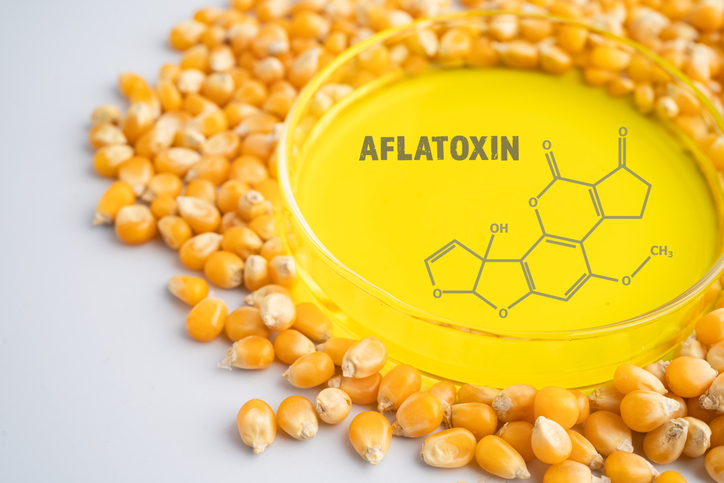
Mold spores can absolutely cause allergic reactions, but that’s only part of the picture. Certain molds also produce mycotoxins small chemical compounds capable of affecting multiple body systems after inhalation, ingestion, or ongoing environmental exposure. Common ones include ochratoxin A, aflatoxins, trichothecenes, gliotoxin, and zearalenone.
Research suggests these compounds may contribute to oxidative stress, heightened inflammatory signaling, mitochondrial dysfunction, altered immune responses, shifts in gut barrier function, and microbiome disruption. Not everyone exposed gets sick genetics, immune status, nutrition, exposure duration, and overall health all play a role.
Where Mold and Histamine Intersect: The Gut
About 70% of the immune system lives in or around the gut. It’s also home to trillions of microbes that influence digestion, immune regulation, inflammation and histamine metabolism.
When the gut environment shifts out of balance (dysbiosis), the ratio of beneficial to less-helpful microbes can change. Some bacteria produce histamine directly; others help regulate inflammation or maintain the gut lining. Emerging research suggests mold exposure and mycotoxins may nudge the microbiome in ways that make histamine-related symptoms more noticeable though much is still being studied.
Leaky Gut: Another Piece of the Puzzle
The small intestine’s lining is a smart barrier letting nutrients through while keeping bacteria, toxins, and undigested particles out. When that barrier weakens (often called increased intestinal permeability, or “leaky gut”), immune activation can rise.
Researchers are still investigating whether mycotoxins damage that barrier through oxidative stress and inflammatory pathways. Intestinal permeability has many possible causes medication, infection, chronic stress, autoimmune disease, diet and mold may be one contributor among several in susceptible people. When immune activation persists, mast cells often become more reactive too.
Mast Cells: Your Body’s First Responders
Mast cells sit in the tissues that meet the outside world most often skin, airways, gut lining, blood vessels ready to respond to injury, infection, or environmental threat. Activated appropriately, they protect you. Overactivated, they release a flood of inflammatory mediators: histamine, tryptase, leukotrienes, prostaglandins, cytokines. This is mast cell degranulation.
In people with Mast Cell Activation Syndrome (MCAS), Alpha-Gal Syndrome, or chronic environmental illness, mast cells can become unusually trigger-happy. Mold isn’t the only trigger, but it’s been reported by many patients and described in the literature as one plausible environmental activator in susceptible individuals.
Why Symptoms Look So Different From Person to Person
One person exposed to mold gets sinus congestion. Another gets migraines. Another gets insomnia, anxiety, digestive trouble, flushing, or food reactions. Why? Because histamine touches nearly every organ system, and where it shows up depends on each person’s genetics, immune status, microbiome, nutrition, hormones, and exposures. This is exactly why functional medicine leans toward individualized investigation instead of forcing everyone into the same diagnostic box.
Clinical pearl: The body is deeply interconnected gut affects immune function, immune function affects inflammation, inflammation affects mast cells, mast cells affect histamine, and histamine affects nearly every organ, including the brain. Thoughts are things, so think good ones the best you can. Once you see health through this connected lens, symptoms that seemed random usually start making sense.
Functional Lab Testing: Looking Past “Everything Looks Normal”
One of the most frustrating sentences in medicine is “everything looks normal.” I’ve heard it from countless clients, and I’ve heard it about myself. Routine labs are essential and catch serious disease but they don’t always answer the question patients are actually asking: why don’t I feel well?
Thoughtfully chosen functional testing can help fill that gap. These tests don’t diagnose everything and don’t replace a conventional medical workup but they can surface imbalances worth investigating further.
GI-MAP® Comprehensive Stool Analysis my go-to for evaluating gut health. Using quantitative PCR, it evaluates bacteria, parasites, viruses, fungi, and other organisms in the GI tract, and can flag dysbiosis, opportunistic bacteria, H. pylori, yeast overgrowth, parasites, digestive function, intestinal inflammation, immune activity, and permeability markers like zonulin. For chronic histamine symptoms, understanding the gut ecosystem often provides real clues about ongoing immune activation.
Organic Acids Testing (OAT) evaluates dozens of metabolic byproducts in urine, offering insight into mitochondrial function, vitamin status, neurotransmitter metabolism, oxidative stress, detox pathways, oxalate metabolism, and yeast/fungal or bacterial markers. No single test tells the whole story, but paired with symptoms and other labs, it fills in another piece.
Mycotoxin Testing worth discussing with a provider if you have a history of water-damaged buildings, visible mold, occupational exposure, or symptoms that started after an environmental exposure. Urinary mycotoxin testing measures selected fungal metabolites. A positive result doesn’t prove active illness, and a normal one doesn’t rule out past exposure context matters.
What I did for myself the histamine reset panel and GI-MAP with zonulin. Histamine imbalance rarely exists in a vacuum; it usually reflects gut health, nutrition, immune regulation, inflammation, exposures, genetics, hormones, and lifestyle interacting together. A combined panel like this gives a broader physiological picture rather than chasing one marker in isolation, pairing organic acids testing, urinary mycotoxin testing, and IgG/IgE food sensitivity testing (an evolving area that’s most useful alongside clinical judgment, not on its own).
Testing should never replace clinical judgment. Ordering a stack of labs without listening to the patient is a mistake and so is dismissing symptoms as “all in your head” without investigating. Good care needs both science and curiosity. One of my mentors used to say, “Treat the patient, not the paper.” I’d add: understand the paper well enough that it helps you understand the patient.
Practical Strategies That May Help
There’s rarely one supplement, diet, or test that fixes everything. Healing usually means addressing several contributors at once, like tuning an orchestra rather than silencing one instrument.
- Identify and reduce ongoing exposure. Water damage, musty smells, flooding, roof leaks, HVAC issues, workplace exposure, no supplement outrun continuous environmental injury. Fixing the environment is often the real turning point.
- Support the gut microbiome with nutrient-dense, minimally processed food; appropriate fiber; addressing infections and dysbiosis; supporting digestive function and barrier integrity; and knowing and avoiding your personal IgG/IgE triggers. There’s no single “gut healing diet”; individualization matters.
- Lower total histamine load beyond food: chronic stress, poor sleep, alcohol, medications, allergens, hormonal shifts, infections, heat, intense exercise, and mold all add to the bucket. Removing even one or two sources can meaningfully help.
- Shore up nutritional foundations, vitamin C, D, B6, copper, magnesium, zinc, and electrolytes support the pathways involved in histamine metabolism and immune regulation. They’re not a cure, but they’re building blocks.
- Rebuild your mineral and electrolyte foundation. This one deserves its own spotlight, because I think it’s the most overlooked piece of the whole picture. Minerals like sodium, potassium, magnesium, calcium, and chloride aren’t just “nutrients” in the abstract sense — they’re what generate the electrical charge that runs every cell in your body. That charge is what allows your heart to beat in rhythm, your nerves to fire signals, your muscles to contract, and yes, your mast cells and histamine pathways to regulate themselves properly. Minerals make your electricity. Nothing runs on a dead battery. When mineral and electrolyte status is depleted from chronic stress, poor absorption, gut dysfunction, mold illness, or simply not replacing what the body uses every day, every downstream system has to work harder with less power available to it. I’ve seen this in my own body: when my electrolytes drift out of balance, everything else gets harder to manage, histamine included. This isn’t about chasing a trendy supplement. It’s about recognizing that basic mineral status is foundational, not optional, both in acute recovery and in long-term maintenance of a healthy state. Before adding another protocol, ask whether the battery itself has enough charge to run it.
- Prioritize real sleep during quality sleep; the body handles tissue repair, immune regulation, hormone production, glymphatic drainage, memory consolidation, and nervous system recovery. Poor sleep amplifies inflammation and stress hormones.
- Calm the nervous system, the immune and nervous systems are in constant conversation. Time outdoors, breathwork, prayer, meditation, gentle movement, connection with people you trust, and electrolyte balance all help pull the body out of fight-or-flight.
- Work with a qualified provider. Histamine intolerance, mold illness, MCAS, and Alpha-Gal Syndrome are genuinely complex and overlap with many other conditions. A good provider helps you prioritize testing and treatment instead of guessing your way through supplements.
What Recovery Taught Me
If you take one thing from this article, let it be this: don’t let anyone convince you your symptoms don’t matter just because they can’t explain them immediately. Your experience is real, even when the answer takes time. Mine took years, including plenty of days I questioned my own clinical judgment because my body wasn’t behaving the way any textbook said it should.
Healing rewards curiosity. Every question opened another answer, and every answer added another piece to the puzzle, which changed not just my health, but how I practice medicine. I know what it’s like to be told everything is “normal.” I know what it’s like to finally have someone listen.
Clinical pearl: Behind every lab value is a person who just wants to understand why they don’t feel like themselves. Don’t lose sight of the person while chasing the diagnosis.
Keep Asking Better Questions
Histamine intolerance is rarely just about histamine. For some, it’s the gut microbiome. For others, hormones, nutrient gaps, medications, chronic infection, environmental toxins, or ongoing mold exposure more often, some combination of all of it.
Healing isn’t about chasing symptoms; it’s about understanding why your body is struggling in the first place. That takes curiosity, patience, and sometimes a look beyond routine labs. The research on mold, mycotoxins, gut health, mast cells, inflammation, and histamine is still evolving but the interconnectedness of the body isn’t in question. Asking better questions tends to surface better answers.
My hope is that this encourages you to become an active participant in your own care not driven by fear, but by curiosity and a genuine desire to understand your body. Symptoms are often the body’s plea for help. Learning to listen may be the first step toward healing.
Why This Matters to Me
As I finish writing this, I keep thinking about America’s 250-Year Celebration for the Fourth of July. My family was out of state, so I went camping with my two Border Collies, Robby and Orion. Families everywhere were grilling, kids were laughing a beautiful reminder of why we celebrate summer, except for one thing: because I live with Alpha-Gal Syndrome, inhaling fumes from cooking mammalian meat can trigger my symptoms. As grills fired up across the campground, I quietly gathered my dogs, went inside my camper, turned on my Air Reactor, and waited it out.
Was I disappointed? Of course. Would I have loved to sit by the fire with everyone else? Absolutely. But I’ve learned that healing doesn’t mean pretending the challenges are gone it means learning to live fully alongside them. Every day I make small choices that protect my health without shrinking my life.
I’m not writing this because I have every answer, or because my journey matches yours. I’m writing it because I understand what it’s like to always be scanning the room, reading labels, wondering if a meal or a building or the air itself is about to make you sick. If that’s familiar to you you’re not alone. Keep asking questions, stay curious, and don’t give up on yourself. There are still sunsets to watch and campfires to sit beside, even from a little farther away sometimes.
Be well. Stay well. Stay alert. And above all keep living.
~ Dette Avalon, FNP-BC
“The best day of my recovery wasn’t the day I became symptom-free. It was the day I realized I could still build a beautiful life while respecting the limitations my body was asking me to honor.”
Medical Disclaimer
The information in this article is provided for educational purposes only and is not intended as medical advice, diagnosis, or treatment. Every individual is different, and symptoms such as fatigue, digestive issues, food sensitivities, brain fog, or histamine intolerance can stem from many different causes. Functional laboratory testing is meant to complement, not replace, a comprehensive medical evaluation. Always consult your physician or a qualified healthcare professional before making changes to your diet, supplements, medications, or treatment plan.
References
- Maintz L, Novak N. Histamine and histamine intolerance. American Journal of Clinical Nutrition. 2007;85(5):1185-1196.
- Schink M, Konturek PC, Tietz E, et al. Microbial patterns in patients with histamine intolerance. Journal of Physiology and Pharmacology. 2018;69(4).
- Reese I, Ballmer-Weber B, Beyer K, et al. Guideline on management of histamine intolerance. Allergo Journal International. 2021.
- Afrin LB. Never Bet Against Occam: Mast Cell Activation Disease and the Modern Epidemics of Chronic Illness. Sisters Media; 2016.
- Theoharides TC, Tsilioni I, Ren H. Recent advances in mast cell biology. Annals of Translational Medicine. 2019.
- Brewer JH, Thrasher JD, Straus DC, et al. Detection of mycotoxins in patients with chronic fatigue syndrome. Toxins. 2013.
- Pestka JJ. Deoxynivalenol-induced intestinal barrier dysfunction. Toxins. 2012.
- Turner JR. Intestinal mucosal barrier function in health and disease. Nature Reviews Immunology. 2009.
- Fasano A. Zonulin and regulation of intestinal barrier function. Annals of the New York Academy of Sciences. 2012.
- Nicholson JK, Holmes E, Kinross J, et al. Host-gut microbiota metabolic interactions. Science. 2012.
- World Health Organization. WHO Guidelines for Indoor Air Quality: Dampness and Mould.
- Institute of Medicine. Damp Indoor Spaces and Health. National Academies Press. 2004.
- Centers for Disease Control and Prevention. Mold and Health.
- National Institutes of Health, National Library of Medicine. PubMed.
- International Society for Environmentally Acquired Illness (ISEAI). Clinical resources on environmentally acquired illness.